
When AI Becomes Your Imagination for 3D Printing

The above image is generated by sora with the prompt « Make me an animal by combining parts of an hippo, a lovebird, and a hammer shark. »
I love 3D printing sci-fi and fantasy stuff.
Mechs, relics, alien bird feeders. That kind of thing.
There’s something deeply satisfying about bringing impossible objects into the real world—physical, tactile, detailed… made of nothing but ideas and melted plastic.
But here’s the honest part: the ideas aren’t always there.
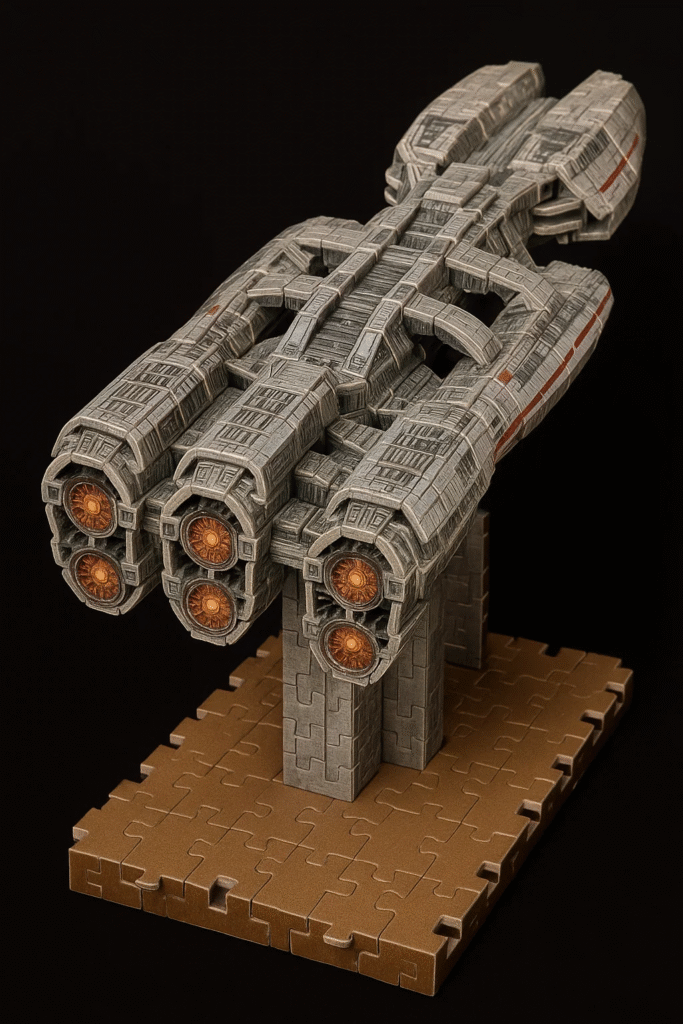
Sometimes I sit in front of Blender or Fusion360 and my brain just shrugs.
The software’s open. The printer’s ready. But I’m not.
Too tired. Too much context-switching. Not enough time to noodle with vertices or rewatch Dune for inspiration.
And in those moments, I realized something: AI could be my stand-in imagination.
The fantasy backlog I’ll never build
I have a mental shelf of projects I could do:
- A Stargate-themed phone dock
- A cyberpunk planter with flickering LEDs
- A low-poly desert walker with articulated legs
- Even just a cool sci-fi wall hook
But I know myself. Between work, life, and… let’s be real, procrastination, most of these will never leave the sketch stage.
That’s when I started wondering:
What if I let the AI do the creative lifting?
Not just help me. But actually be the seed of the idea.
No emotional attachment. No perfectionism. Just: “Go make something people might want.”
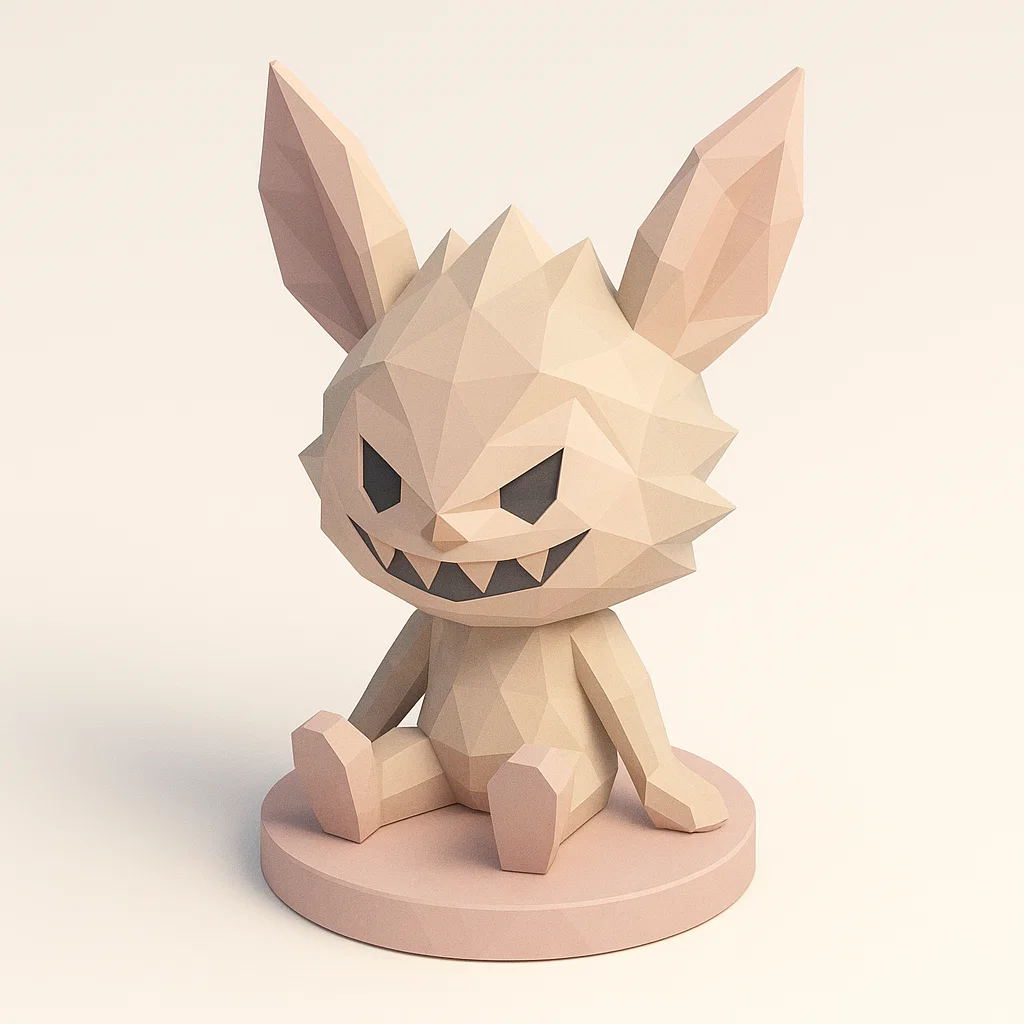
From blank mind to dragon bird feeder
On a whim, I fed the top trending search keywords from MakerWorld (a kind of Thingiverse-meets-Cura-recommendations site) into ChatGPT.
The prompt was dumb-simple:
« Give me some 3D printing ideas based on these trending terms. »
Out came a list of surprisingly cool mashups:
- Dragon-themed bird feeder
- Gridfinity-compatible Switch holder
- Steampunk key hanger
I picked “Dragon Bird Feeder” and rolled with it.
No sketches. No concept art. Just vibes and code.
ChatGPT spat out an image prompt. I used it with an AI image generator (or Sora if you’re lucky). Then passed the result into Meshy.ai—a tool that converts images into rough 3D meshes.
Was it good? No.
Was it printable? Mostly.
Was it fun? Absolutely.
I tweaked the scale, fixed some weird wall thickness, and a few hours later: I had a weird, goofy, dragon-shaped bird feeder in my hand. A real thing. From nothing.
AI didn’t kill my creativity—it filled the gap
This wasn’t about replacing creativity.
It was about keeping the print queue alive when my own imagination clocked out.
AI isn’t magic. The models are still rough. The geometry often needs fixing. But the combo of image-to-mesh tools, generative prompts, and trending data gave me something precious: momentum.
I didn’t overthink. I didn’t stall.
I printed. I iterated. I learned.
And that’s honestly what I love about 3D printing in the first place: the loop of ideas → objects → better ideas.
AI just sped up the first step.
What’s next?
Now I’m wondering what happens when this whole pipeline improves.
Imagine:
- AI models trained specifically on functional prints
- Prompting a “cyberpunk headphone stand” and getting a watertight STL
- Blending artistic flair with real-world tolerances in seconds
We’re not quite there yet. But the gap is closing.
Until then, I’ll keep letting the machine dream for me.
Because sometimes, it’s not about genius.
It’s about getting to the part where the nozzle moves and the thing becomes real.
If you’re into this kind of lazy creativity, you might also like How to 3D Print Anything with AI (Even If You Lack Ideas), where I broke down the full pipeline.