
Finding a need on two wheels
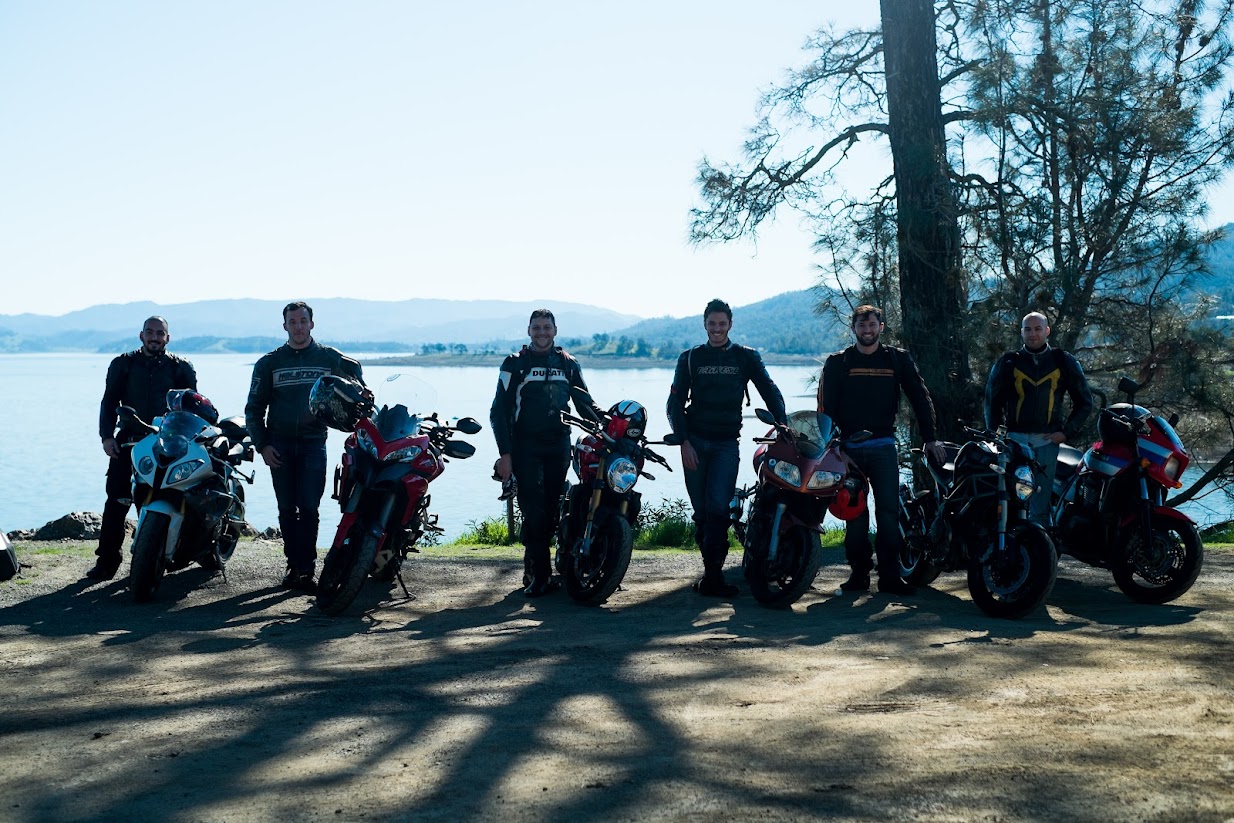
Every summer I fall in love with my motorcycle all over again. Living near Paris, there’s nothing better than escaping the city for a day: twisting country roads, the hum of the engine, the smell of fresh pine. But as much as I enjoy solo rides, some experiences are better shared.
If you’ve ever tried to organize a weekend ride with friends, you know the pain points: endless message threads, uncertain routes, and that last‑minute cancellation that throws the whole plan off. Worse, if your riding buddies are busy, you either go alone or scroll through social media groups hoping someone posted something relevant.
I kept thinking: there has to be a better way to connect riders who want to explore on a whim. I wanted a place where anyone could post a ride, browse upcoming trips, filter by date or difficulty, and join in — without the chaos of group chats. I also wanted it to feel personal, not like yet another corporate platform.
That’s how the idea for a weekend riding community came about. The concept was simple: a website where fellow motorcyclists could discover and organize rides, share detailed itineraries, and connect with new friends. But turning that idea into reality required a new kind of tool.
https://roulerceweekend.fr/
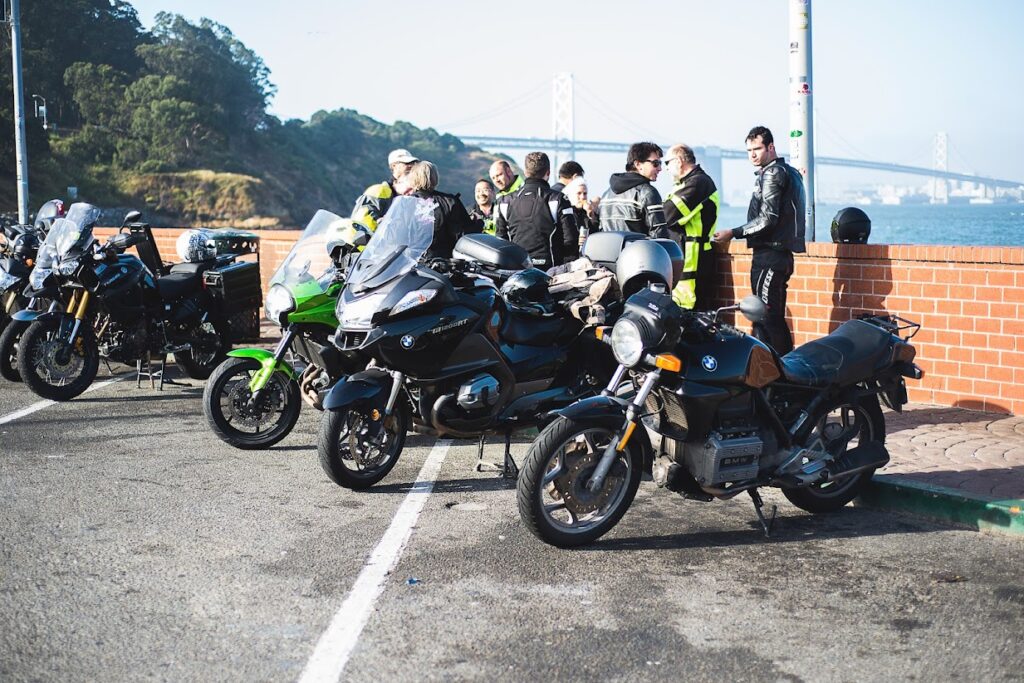
Experimenting with an AI website builder
I’m not a professional developer, so the prospect of building a fully functioning web platform from scratch was daunting. But I also wasn’t willing to settle for a generic template. I wanted control over the design and features without spending months learning to code.
So I turned to a no‑code tool powered by AI. It promised to generate a fully designed website from a short description, and then let me customize everything via a conversational interface. It felt like having a friendly, tireless developer on call.
The initial prompt
My first step was to describe the project in a single sentence:
« Create a platform for motorcyclists to share and discover weekend rides, with filters for dates and styles, detailed trip cards, and a simple way to join or post rides. »
The AI got to work. Within a few minutes it produced a responsive layout that looked surprisingly polished: a hero image of riders at sunset, a search bar, buttons to filter trips by categories like All, Today, Weekend, Easy, and Sporty, and cards for each ride showing the date, start time, distance and duration. The cards even included a call‑to‑action to log in for more details.
Was it perfect? Of course not. Some colors clashed, and the typography needed refinement. But the foundation was there, and I didn’t have to wrestle with CSS to get it. I felt like I had a head start.
Tuning the experience
From there, it became a process of tweaking and iterating:
- Design adjustments: I asked the tool to darken the navigation bar to evoke the feel of an evening ride, and to replace generic images with photos of actual motorcyclists. A few requests later, the visuals matched the mood I wanted.
- Feature refinement: It generated search and filter functions, but I customized the labels and added a Connect button on each ride card. Only logged‑in users can see the organiser’s contact details or the exact departure point, which adds a layer of safety.
- Responsive behaviour: The site looked good on desktop, but I wanted mobile riders to check trips easily. With a single request, the AI adjusted the layout for smaller screens without me needing to dive into media queries.
Within a couple of days, I had a working prototype that people could visit. The AI handled the heavy lifting, while I provided the vision and the critical eye. It felt more like collaborating with a talented assistant than using a traditional site builder.
Launching and learning
Once I shared the website with friends, I braced myself for feedback. Riders can be brutally honest. Here’s what stood out:
- The excitement was real. People loved having a dedicated space to browse rides instead of scrolling through unrelated posts. It felt like discovering a secret club.
- Details matter. Riders wanted to know the exact route, distance and difficulty level before committing. They also appreciated seeing the number of remaining spots at a glance.
- Trust is everything. Requiring a login to see contact information reassured both organisers and participants. It also discouraged random trolling.
Not everything was smooth. Some users found the login process clunky; others wished there was a map view from the start. And of course, building a community from scratch takes time — there’s still work to do to attract more riders and keep the momentum going.
How this ties into my broader AI experiments
One of the unexpected joys of this project was seeing how it connected with my other explorations in AI and creativity. In an earlier post, I wrote about building an AI development team and how you can orchestrate multiple agents to collaborate on a task. Working with an AI website builder felt like a tiny version of that: I was directing a digital assistant, specifying what I wanted, and watching it iterate.
It also reminded me how technology can enable human connection when used thoughtfully. Much like my experiments with AI‑powered art tools, the goal here wasn’t to remove the human element but to amplify it. Riders still meet in person, share stories, and forge friendships — the platform simply removes friction.
Reflecting on the process
Building this weekend riding community taught me a few things:
- Clarity of vision is key. The AI can only help if you know what you want. A clear, concise description up front produced the best results.
- Iteration beats perfection. It’s tempting to spend weeks polishing every pixel before sharing your work. But by launching early, I gathered valuable feedback and built trust with users.
- No‑code doesn’t mean no learning. Using an AI tool still requires critical thinking. You need to evaluate its suggestions, understand user needs, and make design decisions.
- Community building is a slow burn. Technology can lower the barriers, but consistent engagement and listening to your audience are what make a project sustainable.
What’s next?
I’m already imagining new features: integrating a real‑time map so you can follow the group’s progress, adding chat functionality for each ride, or even using AI to suggest scenic routes based on preferences. There’s also the challenge of expanding beyond the local area. What happens when riders in other regions want to join? Do I create sub‑communities or open it up globally?
At its core, this project has been an experiment. It’s about exploring how far you can go with a simple idea, a bit of curiosity, and the right tools. It’s also a reminder that technology should serve people, not the other way around.
So I’ll end with a question: What passion project could you build if you had an AI assistant by your side? Whether it’s connecting riders, artists, or entrepreneurs, the tools are more accessible than ever. The real challenge is daring to start.